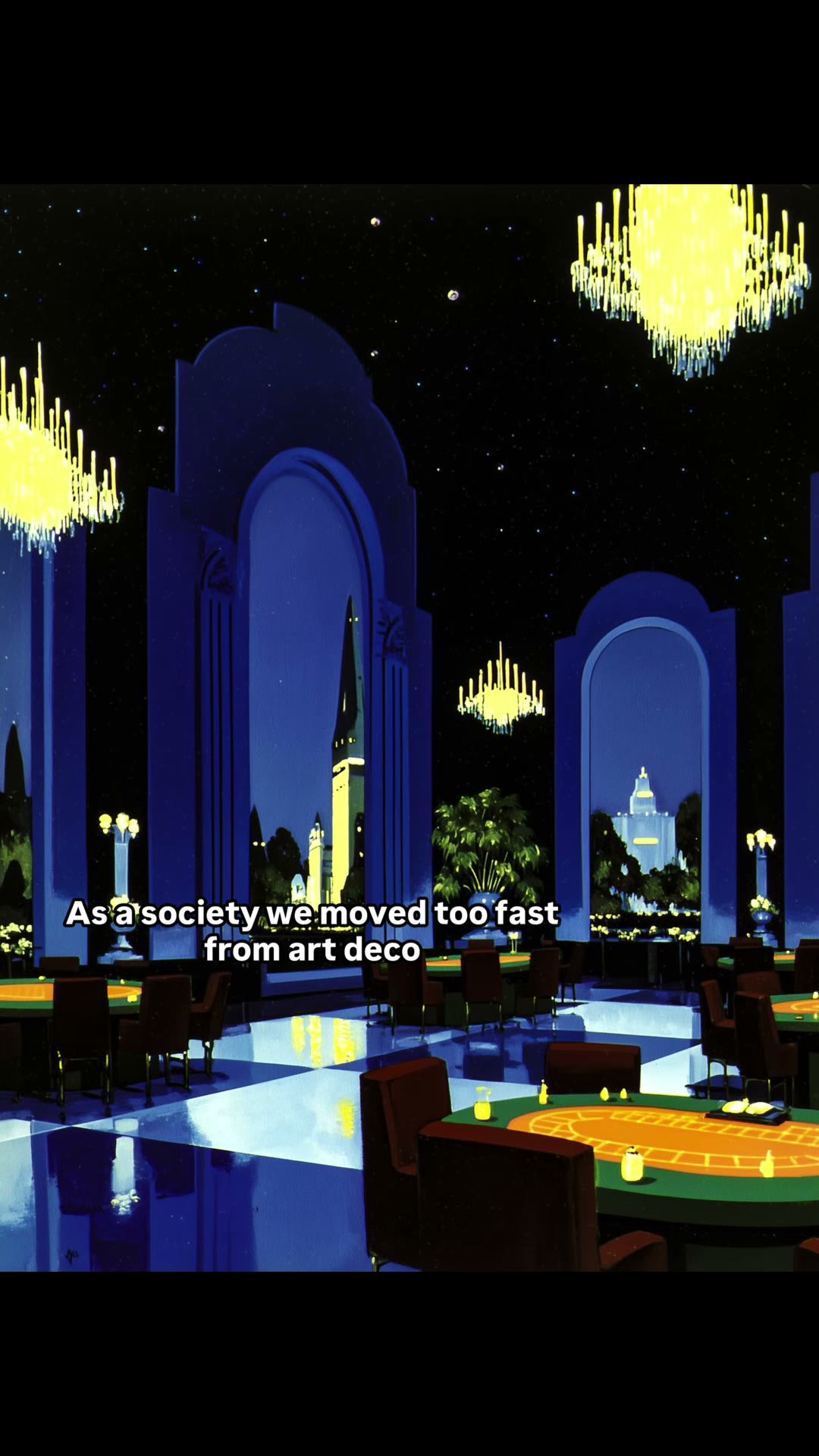
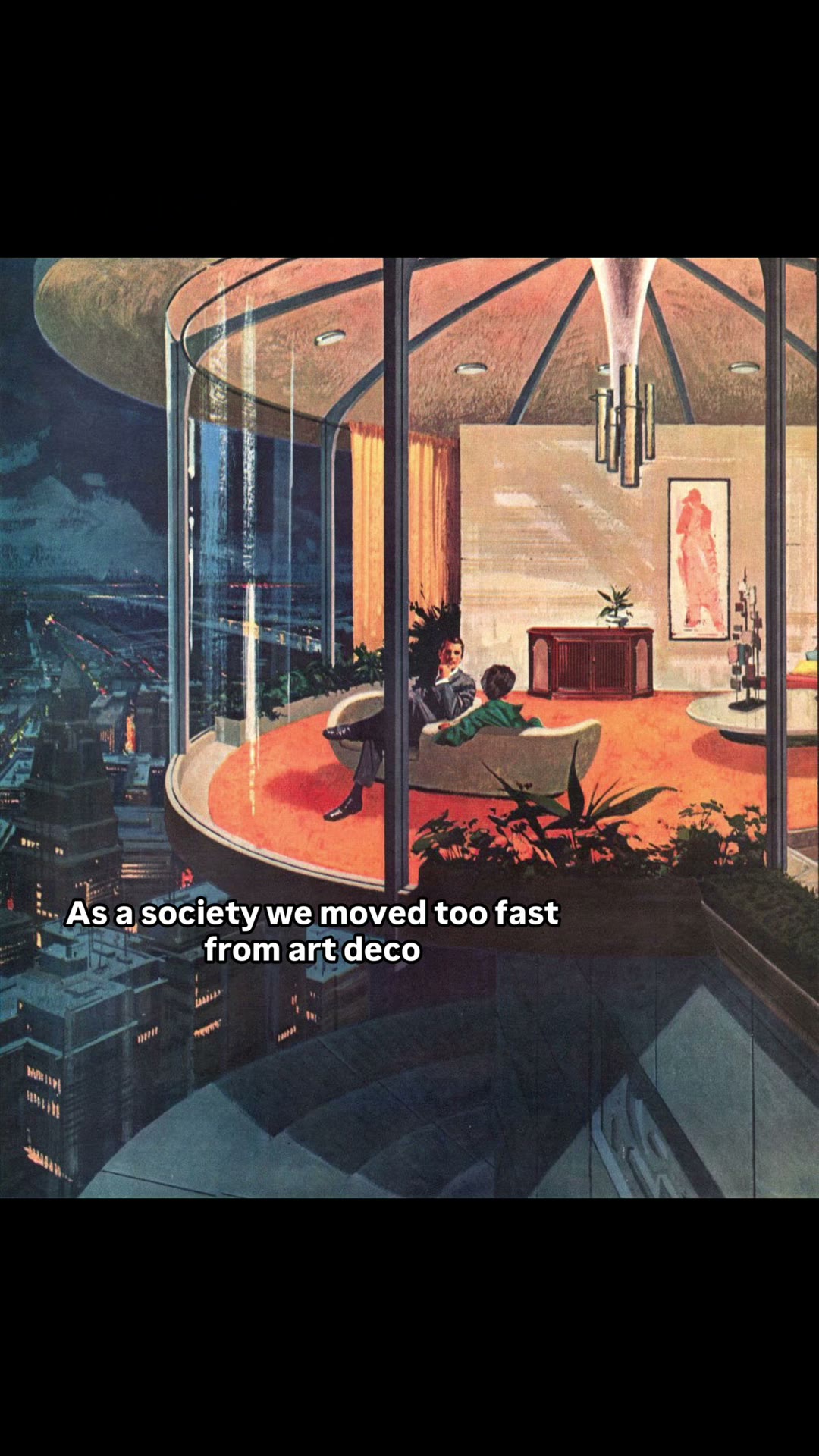

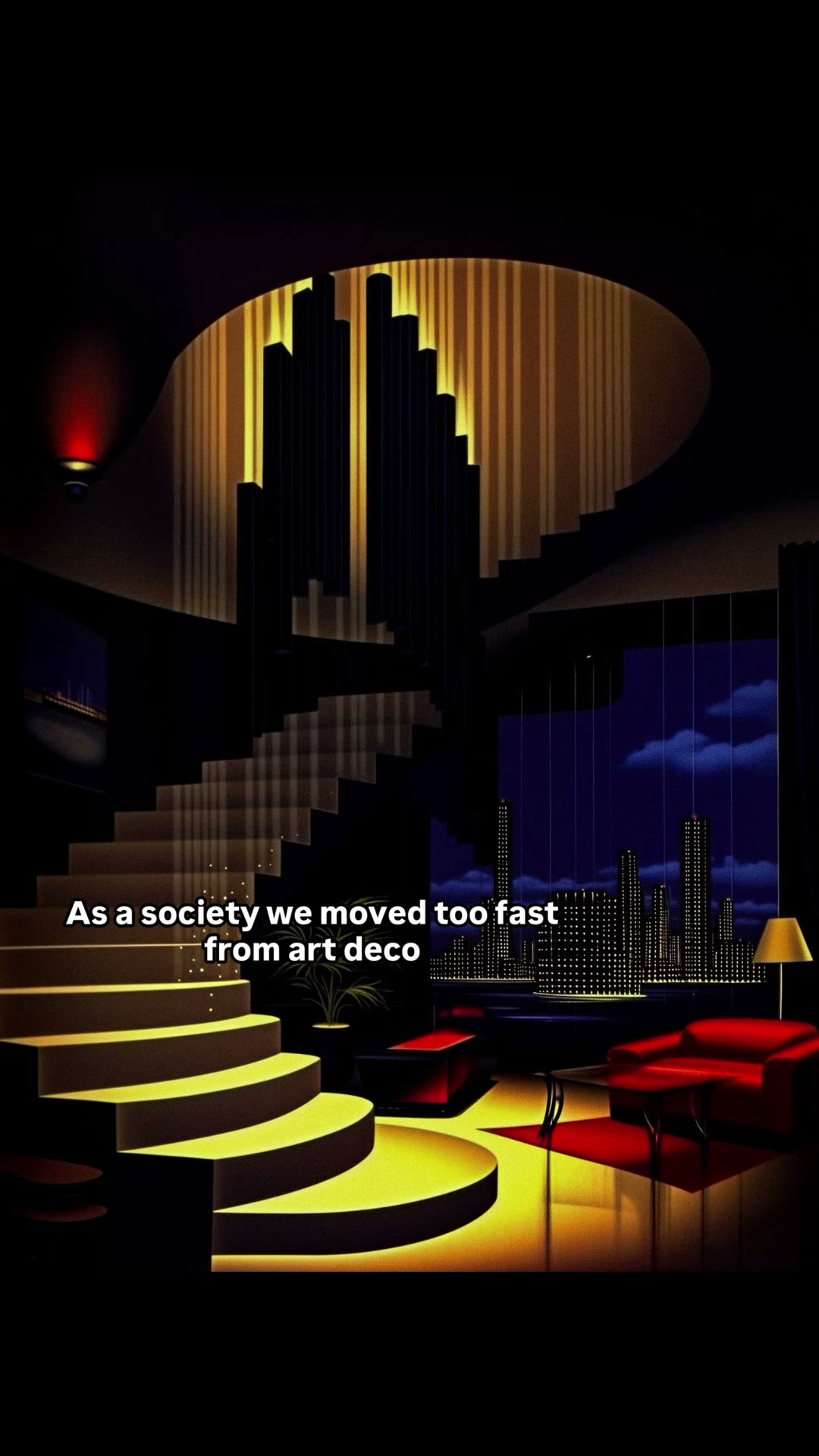
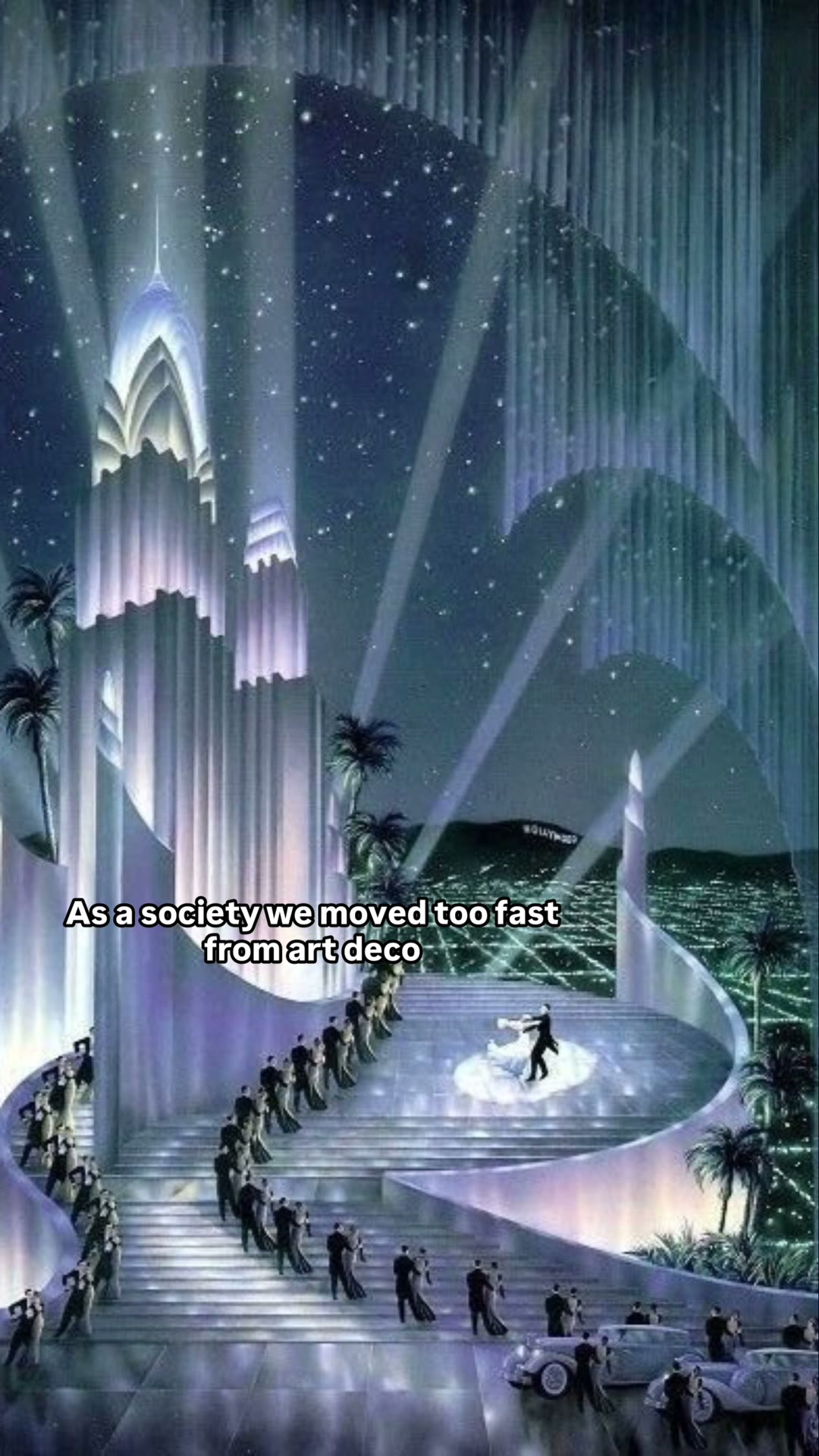
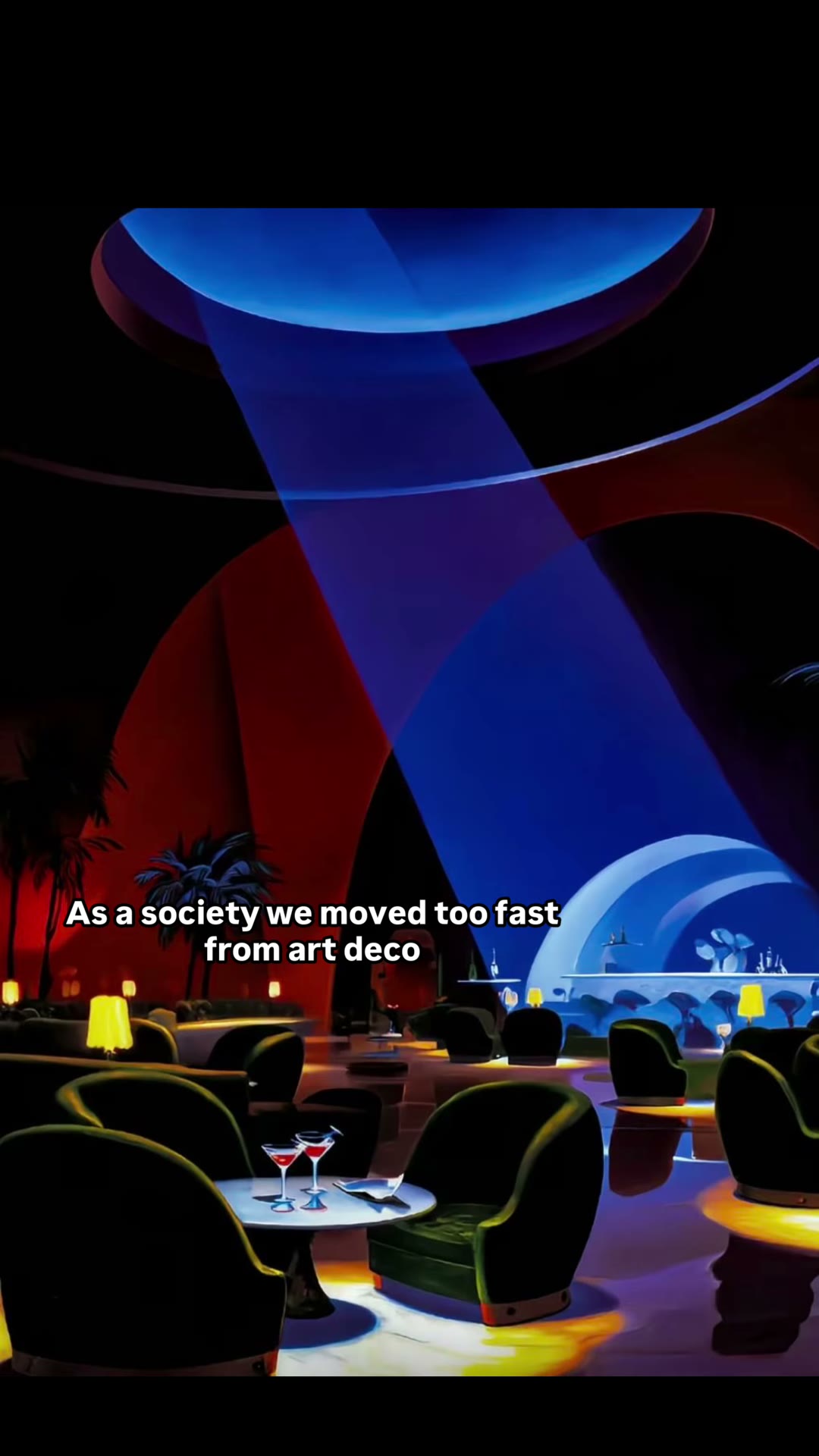
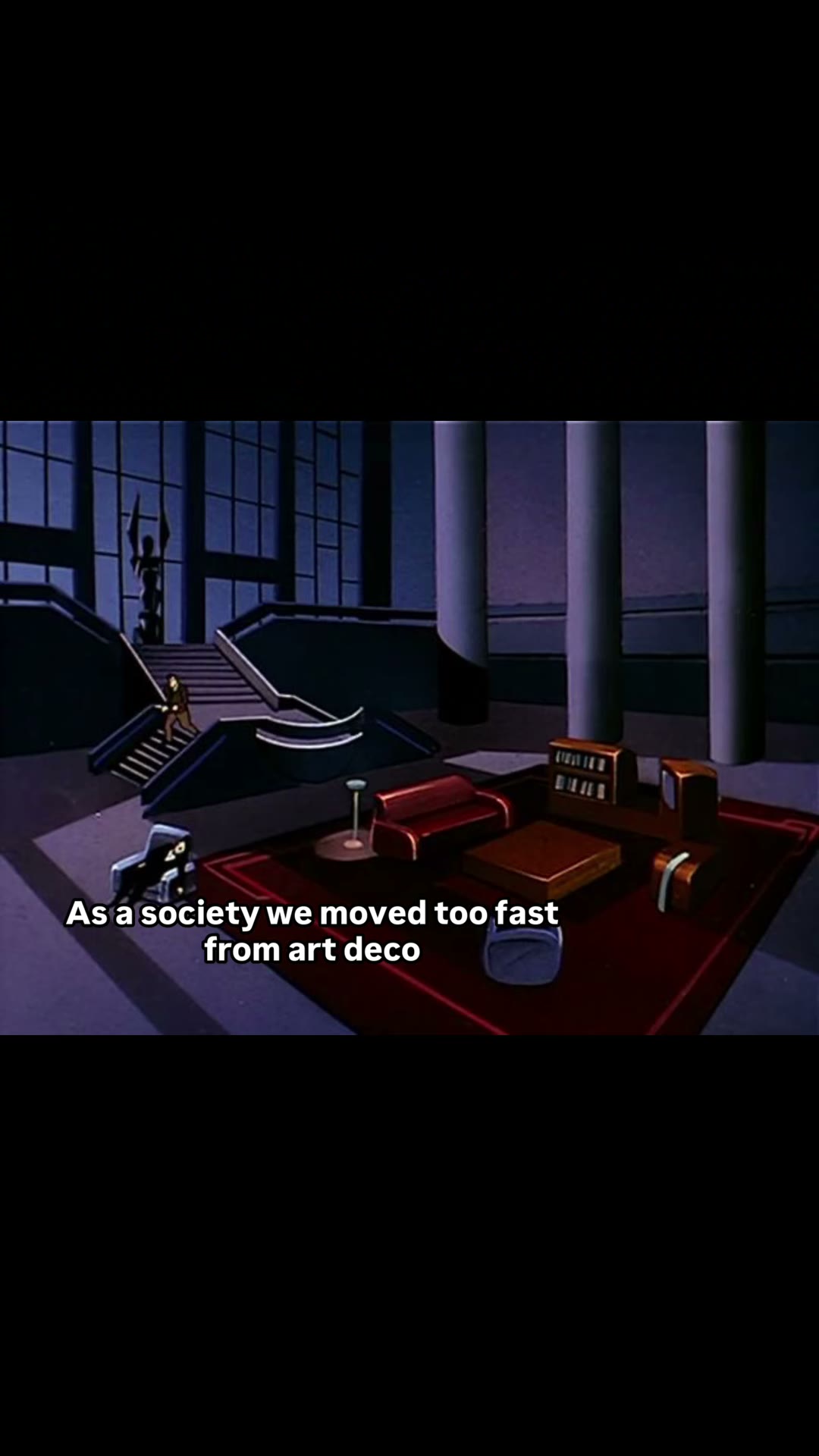
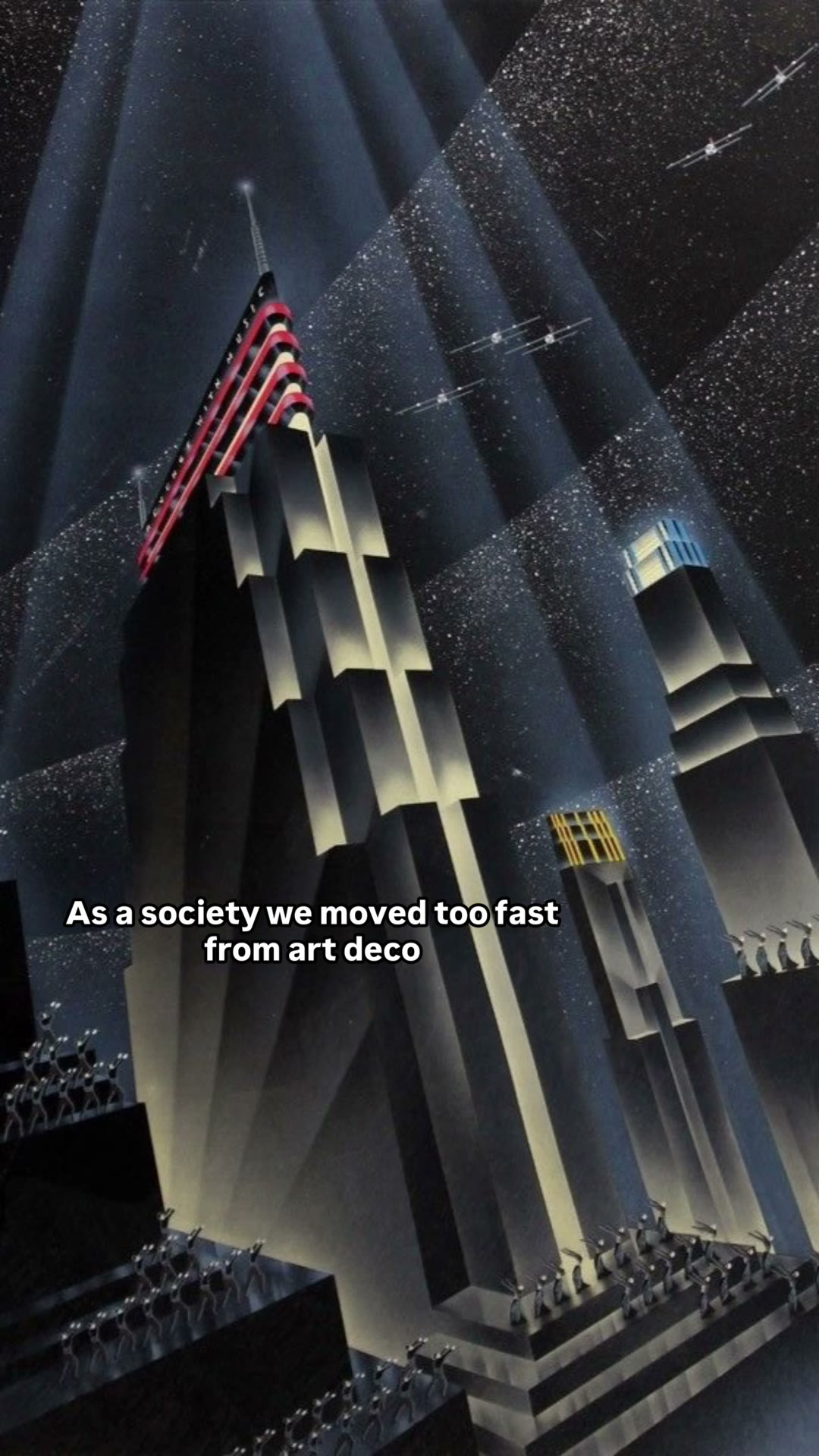
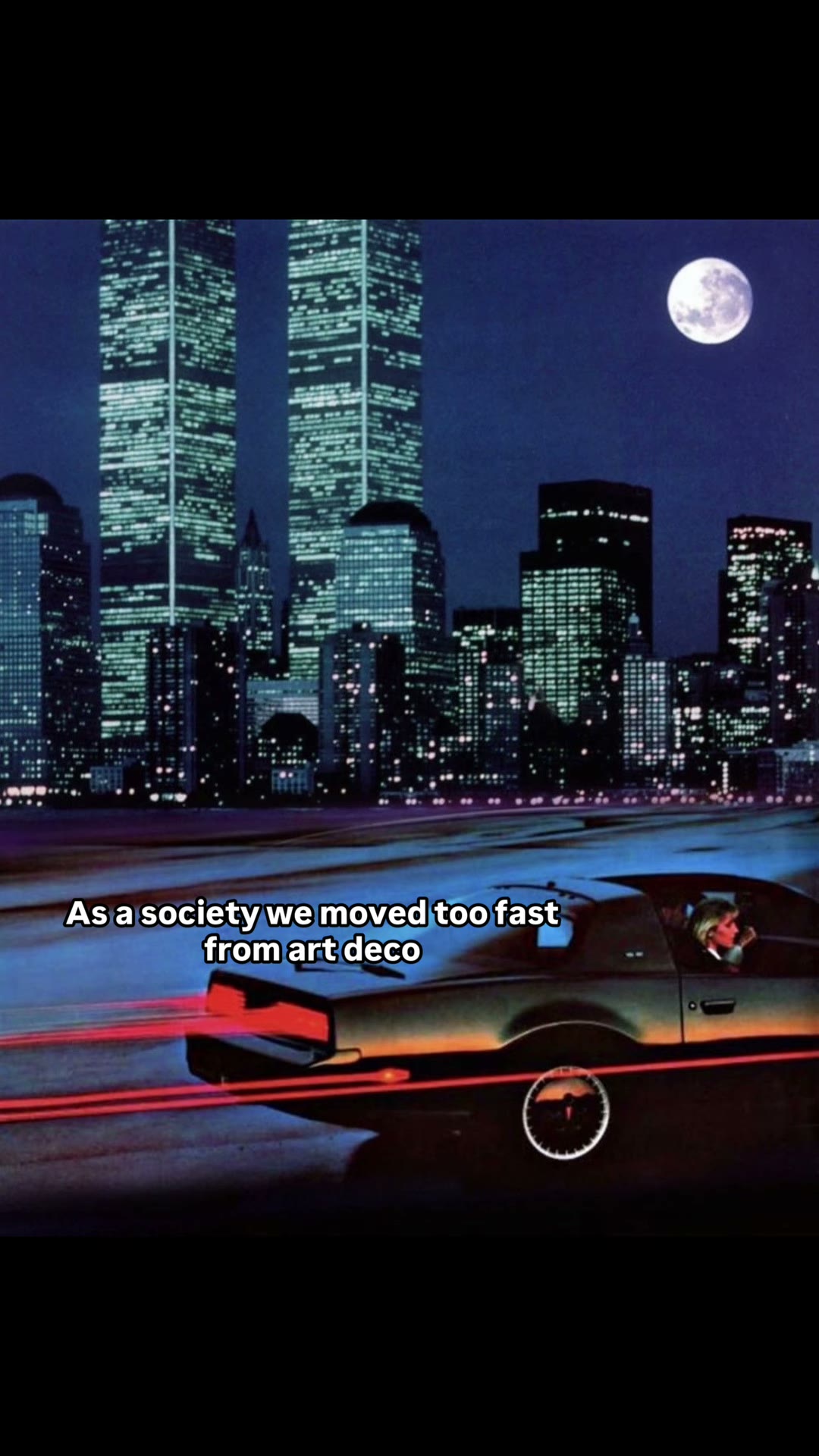
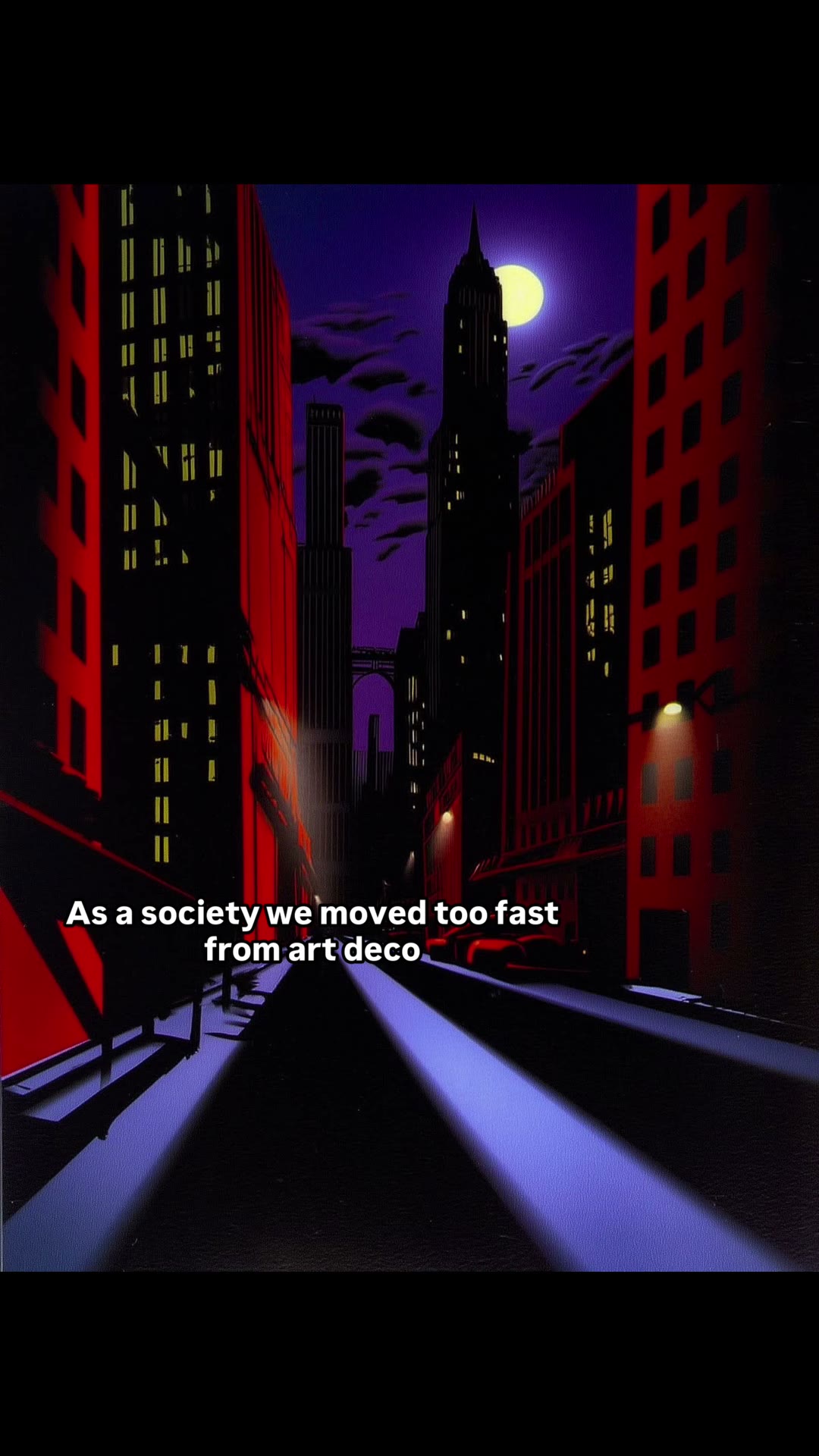
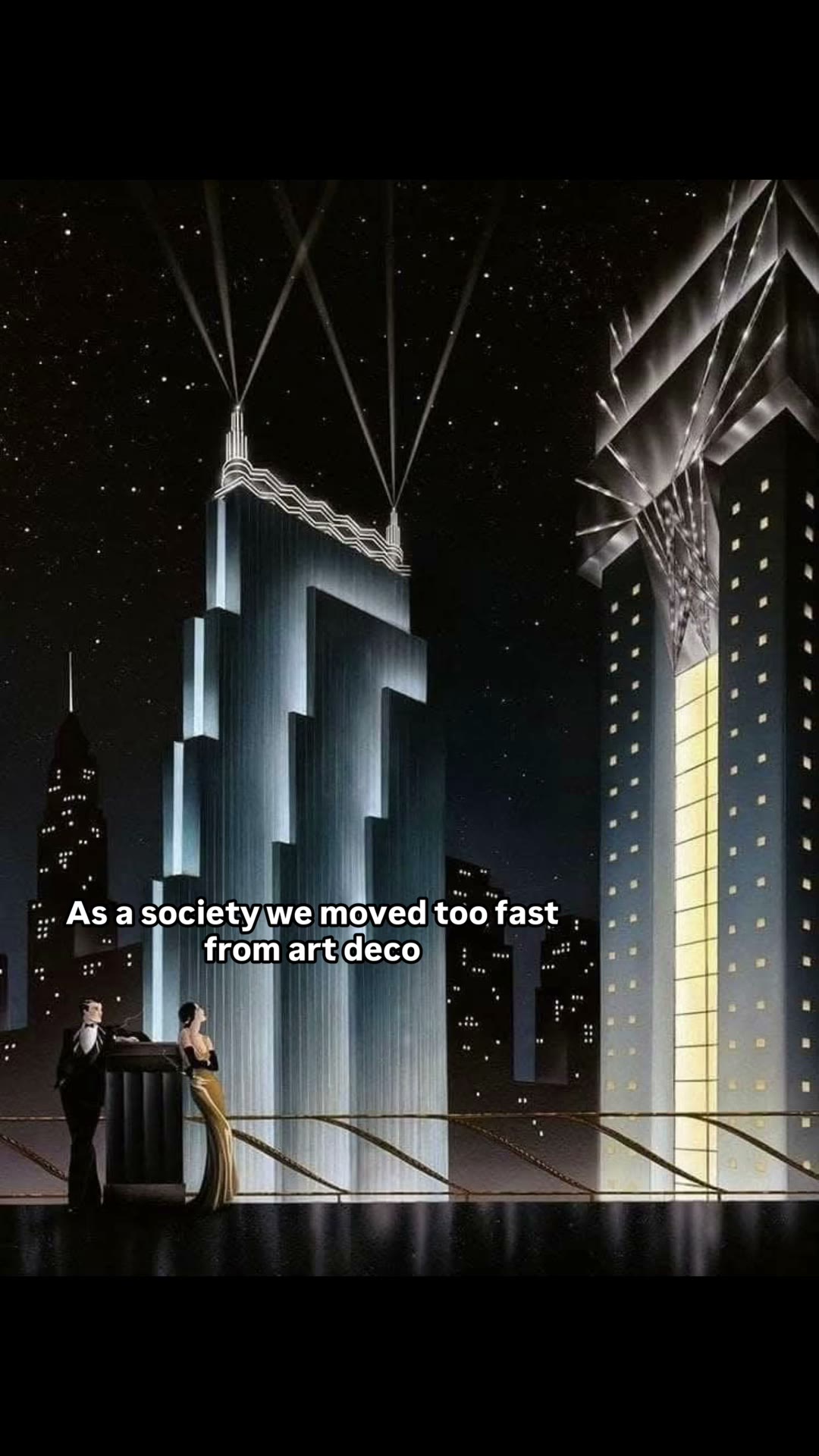
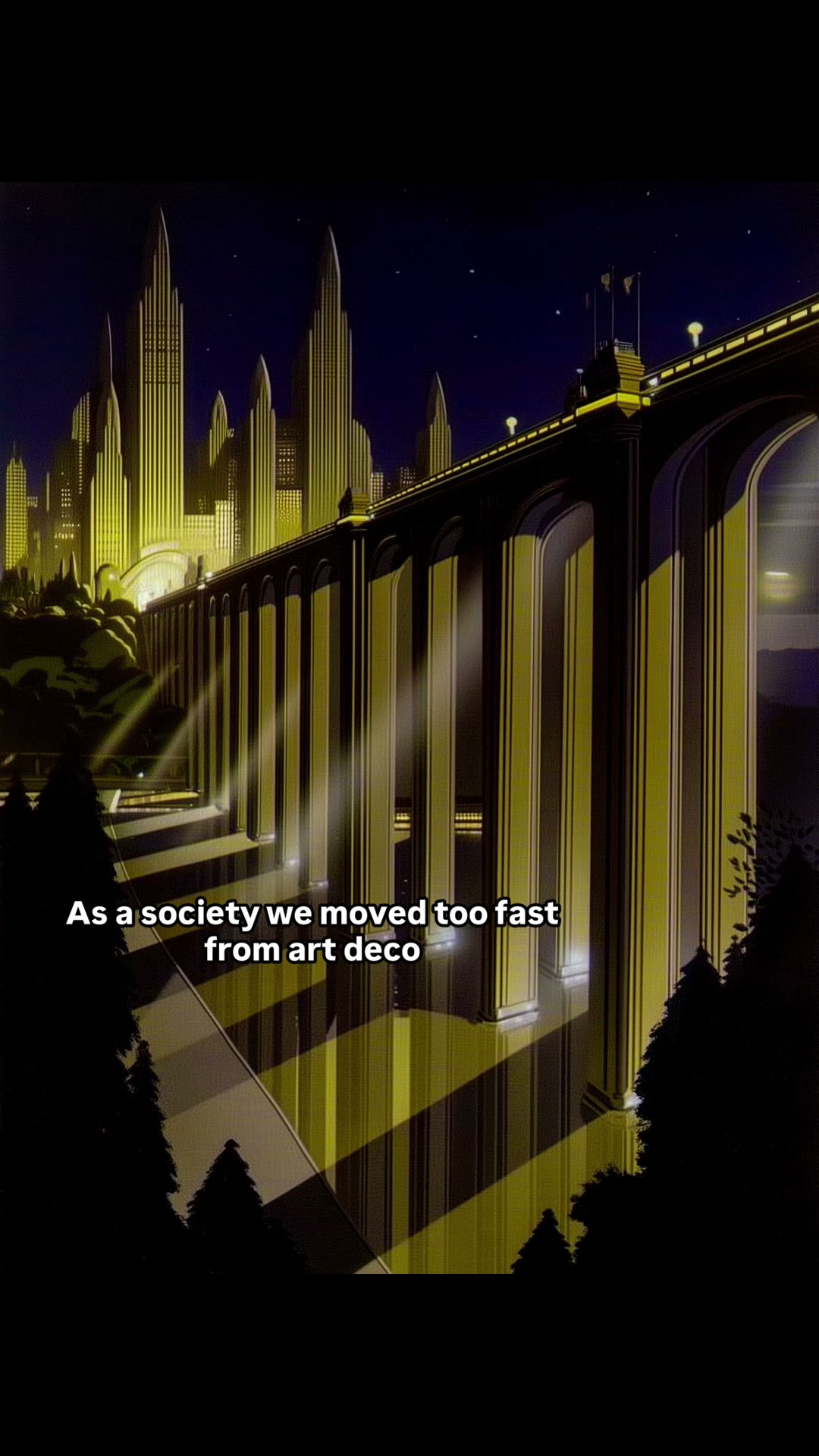
Video explains Art Deco's origins in the 1920s-30s, its geometric motifs, materials, and cultural influences.
Art Deco emerged in the 1920s and reached its peak through the ‘30s, born from a marriage of machine-age optimism and old-world craftsmanship. It rejected the organic curves of Art Nouveau in favor of bold geometry: sunbursts, chevrons, stepped forms echoing ziggurats, and symmetrical patterns that felt both ancient and futuristic.
The style drew from Egyptian motifs (fueled by the Tutankhamun discovery), Cubism, and the sleek lines of ocean liners and skyscrapers think the Chrysler Building’s stainless steel crown or the Streamline Moderne curves of early automobiles.
Materials mattered: lacquer, chrome, exotic woods, and inlaid ivory signaled luxury and modernity at once.
It was the visual language of an era convinced that progress was inevitable and glamour was its reward a confidence that shows in everything from jewelry and furniture to the grand cinema palaces built to house the new spectacle of film.
As a society we moved too fast from art deco
scraped.media
derived.classifier
derived.classifier
scraped.caption
derived.classifier
derived.classifier
user.note
derived.keyframe_ocr